

Why People Remember Some Brands and Forget Others isn’t determined by one campaign, one logo, or one brilliant advertisement. It’s built through hundreds of small experiences people rarely notice consciously.
Most brands don’t disappear because people disliked them.
They disappear because nothing about them was memorable enough to survive tomorrow.
Think about the last time someone asked you to recommend an interior designer, a jewellery label, or a marketing studio.
Your brain probably didn’t search every company you’ve ever seen.
It recalled one or two.
Memory quietly eliminated everyone else.
That invisible filtering process explains far more about brand growth than many marketing reports ever will.
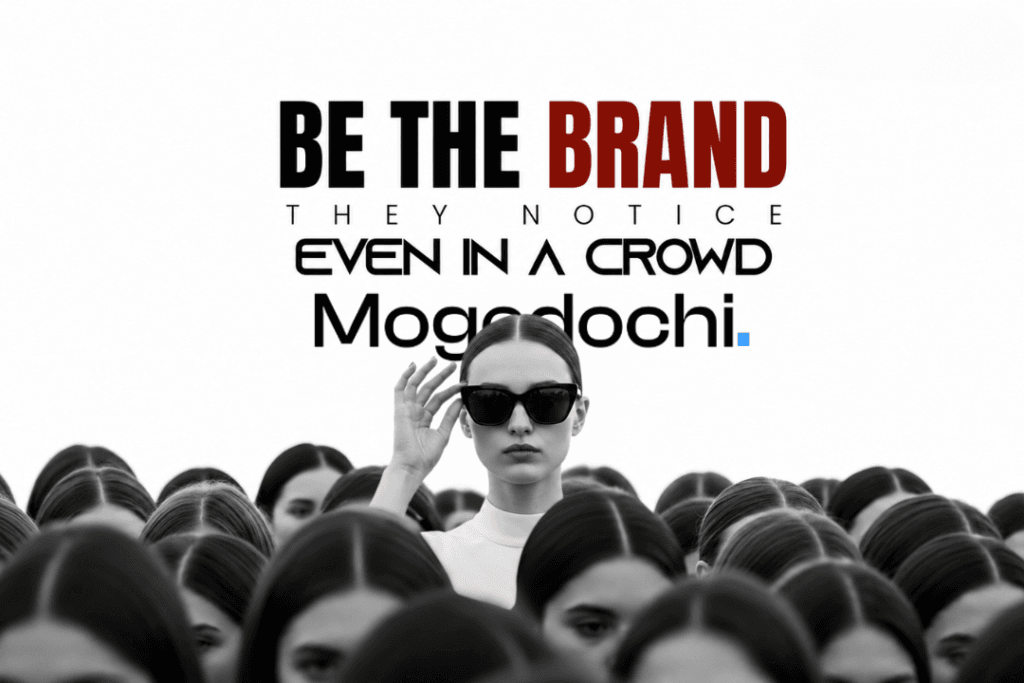
Recognition Isn’t The Same As Memory
A person may recognize hundreds of logos.
Very few become mentally available when a decision arrives.
Recognition happens because something was seen.
Memory happens because something became connected.
Those are different psychological events.
A logo may be remembered.
A feeling is recalled.
Brands often spend enormous resources improving visibility while neglecting memorability.
The result is familiar exposure without lasting preference.
A Small Scene That Happens Every Day
Imagine someone scrolling through Instagram during lunch.
They stop for a beautiful furniture photograph.
They like it.
They continue scrolling.
Three hours later, they remember the room.
Not the company.
Nothing connected the image to a larger identity.
Now imagine another interior brand.
The photography is slightly less polished.
But every image carries the same visual rhythm.
The captions feel written by the same person.
Projects are introduced the same way.
Even client stories follow a familiar narrative.
Days later, the name returns naturally.
The photographs weren’t necessarily better.
The memory system was.
Consistency Doesn’t Create Boredom
Many creative teams fear repetition.
They worry that consistent creative direction will make a brand predictable.
The opposite often happens.
Human memory depends on repeated signals.
Changing visual language too frequently forces people to start learning the brand again.
Consistency isn’t the enemy of creativity.
It’s the foundation that allows creativity to accumulate.
Research published by the Ehrenberg-Bass Institute for Marketing Science has repeatedly shown that brands grow by increasing mental availability, making them easier to Remember Some Brands and Forget Others
Every Touchpoint Either Adds Or Resets Memory
Memory isn’t built through campaigns.
It’s built through accumulation.
A customer might encounter:
a LinkedIn post
a product page
an email
an invoice
a founder interview
an Instagram Reel
a packaging detail
None of these moments feel significant alone.
Together they become a pattern.
If each interaction feels unrelated, memory resets.
If every interaction feels connected, memory compounds.
That’s one reason brands with modest advertising budgets often outperform louder competitors over time.
Their identity becomes easier to retrieve.
Those repeated interactions gradually influence brand personality, making recognition feel familiar instead of accidental.
One Interesting Observation
Why People Remember Some Brands and Forget Others. Some creative studios have stopped measuring consistency only through visual guidelines.
Instead, they’re documenting how a brand should make decisions before creative work begins.
A recent knowledge piece published by Mogedochi explored how concept notes align creative heads, strategists, AI systems, freelancers, photographers, and client teams around the same behavioral principles before execution starts.
The document itself isn’t the interesting part.
The interesting part is treating memory as something that can be designed intentionally rather than hoped for later.
Brands Rarely Win Inside One Campaign
People often assume great campaigns build great brands.
Sometimes they do.
More often, campaigns simply amplify what already exists.
If the identity underneath feels inconsistent, larger reach only spreads inconsistency faster.
That’s why many premium companies appear remarkably calm.
Their communication rarely changes direction dramatically.
It becomes easier to remember because it behaves predictably.
Research discussed in Think with Google’s consumer behavior insights also points toward increasing expectations for connected experiences across channels rather than isolated marketing moments.
A Better Question
Instead of asking:
“Will people like this campaign?”
Ask:
“Will this feel like the same brand six months from now?”
One question optimizes content.
The other optimizes memory.
Those goals aren’t always the same.
Closing Thought
People rarely recommend the brand they saw most recently.
They recommend the one that remained easiest to remember.
Visibility creates opportunities.
Memory creates preference.
The strongest brands understand the difference long before the market notices.