
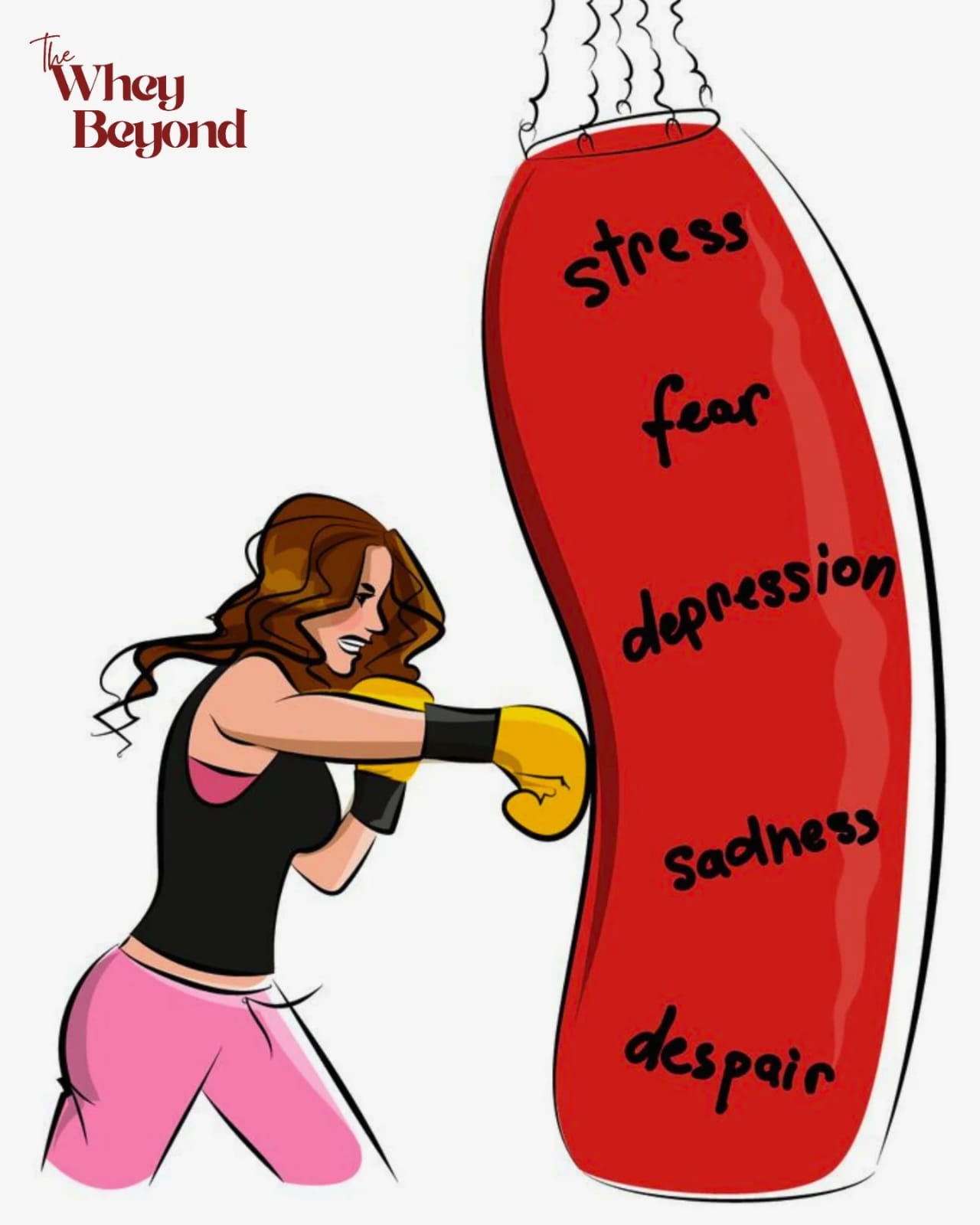
Why This Fitness Branding Case Study Started With Less Noise
Most fitness pages try to win by being louder.
More cuts.
More hype.
More “discipline” talk.
More transformation pressure.
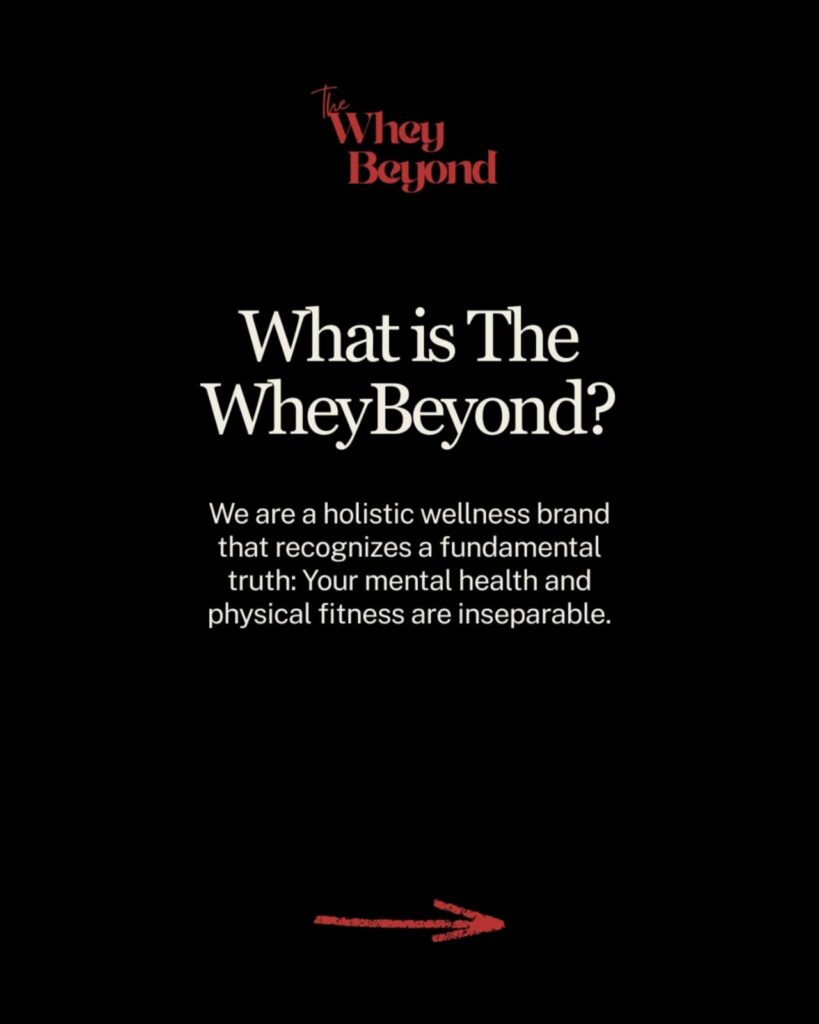
The Whey Beyond went in the opposite direction.
The founder, Mahi, did not want fame.
She wanted the right audience.
That one decision shaped the whole brand.
Because once a fitness brand stops chasing attention for its own sake, the work becomes more specific.
It becomes less about performing and more about being understood quickly.
That was the real starting point of this fitness branding case study.
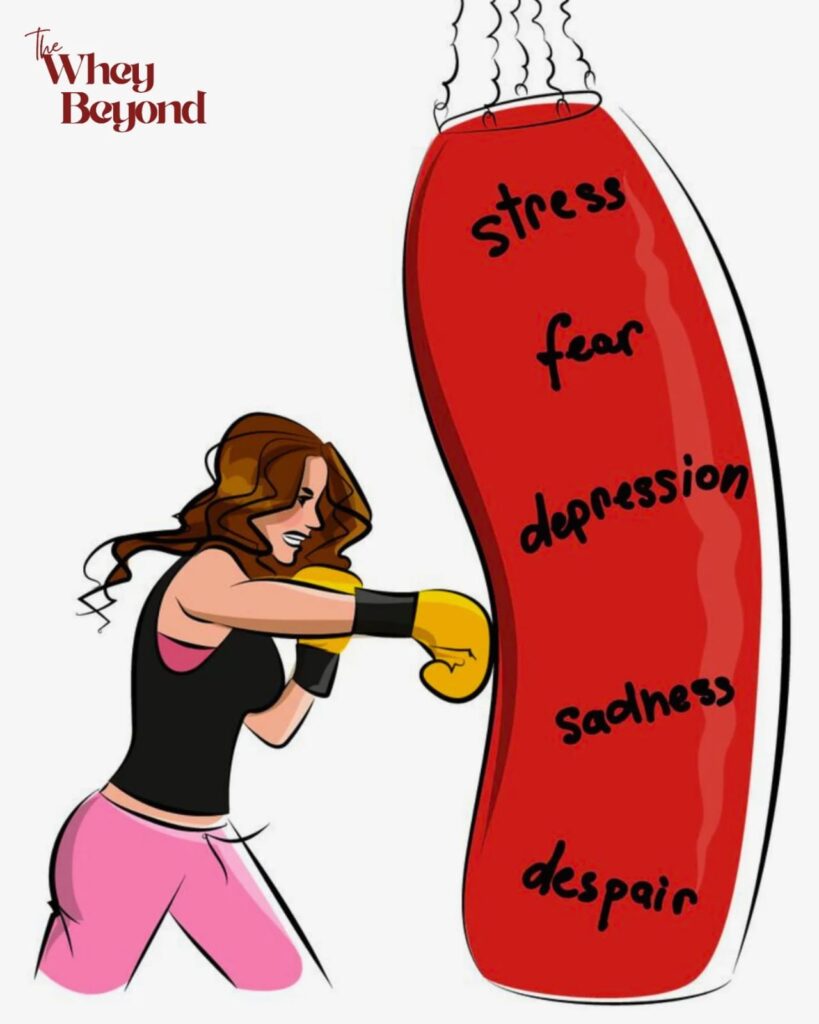
The Brand Was Built From Scratch
There was no old identity to fix.
No weak page to renovate.
No confusing audience to untangle.
No previous tone to preserve.
Everything had to be built from the beginning:
- positioning
- content direction
- visual pacing
- consultation flow
- creator approach
- audience filter
The brand sits in a hybrid space:
- mental wellness
- psychology
- fitness coaching
- identity transformation
So it could not behave like a generic gym page.
It had to feel like something with a point of view.
What Mogedochi Wrote Into the Concept Note
One of the most important parts of this project was the concept note.
That document held the brand together before anything went live.
It included:
- the founder’s personality
- the emotional tone of the brand
- the kind of audience to attract
- the kind of audience to avoid
- the visual direction
- the reel structure
- the color rhythm
- the pacing of the edits
- the words the brand should keep using
- the words it should never use
This mattered because without a clear concept note, a wellness brand drifts very fast.
One reel sounds calm.
The next sounds forced.
The funnel sounds different again.
People notice that inconsistency even if they cannot explain it.
The concept note prevented that.
What Most Fitness Branding Gets Wrong
A lot of fitness brands think they need to feel intense to feel effective.
So they use:
- loud edits
- aggressive motivation
- gymbro energy
- fake transformation pressure
- overconfident delivery
That might create attention.
But it also creates resistance.
The Whey Beyond needed a different response.
Not a reaction.
A connection.
The brand was built around:
- identity-based positioning
- cleaner communication
- calmer pacing
- behavioral storytelling
- trust-first language
- anti-gymbro energy
- emotional honesty
That made the page feel easier to read.
And easier to trust.

The Visual Direction Changed the Brand’s Feel
The creative side mattered more than it first looked.
Instead of fast, overstimulating reels, the brand moved toward:
- talk-driven content
- slower pacing
- cleaner framing
- softer transitions
- steadier color rhythm
- less visual pressure
That changed the experience immediately.
The content stopped trying to impress.
It started trying to make sense.
That is a much stronger fit for a wellness brand that sits between psychology and fitness.
Because the audience was not looking for entertainment.
It was looking for a clearer way to think about change.
A Small Operational Shift Made the Difference
This fitness branding case study also became stronger once the brand started attracting better conversations.
Not just more conversations.
Better ones.
That showed up in:
- more detailed DMs
- lower ghosting after first contact
- stronger consultation intent
- better audience fit
- fewer casual replies
- more serious follow-up questions
That is a hard signal.
It tells you the brand is not just being seen.
It is being interpreted correctly.
And that changes the quality of the funnel very quickly.
The Funnel Had to Match the Brand
The work was not only about content.
Mogedochi operating as a creative marketing agency with a psychology-led approach — also handled:
- branding
- positioning
- content
- ads
- funnel structure
- consultation systems
- creator strategy
- psychology-led scripts
That matters because the user does not experience a brand in separate pieces.
They experience one continuous journey.
If the reel says one thing and the consultation flow says another, the brand starts feeling off.
So the content, messaging, and follow-up structure had to stay aligned.
That is where continuity mattered most.
Why Common Fitness Advice Misses This
Most advice tells fitness brands to:
- post more
- be louder
- add more motivation
- show more transformation
That advice works only when the audience is still impressed by intensity.
The Whey Beyond was speaking to people who wanted something else:
- less pressure
- more clarity
- more structure
- more identity alignment
- less performance
- more calm confidence
That is why the softer direction worked better.
Not because it was weaker.
Because it was closer to what the right audience actually wanted.
A Small Detail That Helped the Brand Feel Real
The pacing inside the reels mattered a lot.
A slower speaking rhythm.
A cleaner pause between thoughts.
Less forced energy.
Less visual chaos.
That gave the brand interpretability.
People could understand what it stood for without needing to be sold too hard.
And in fitness branding, that is a serious advantage.
Because a brand that is easy to interpret is easier to trust.
A Related Reference Point
This same way of thinking shows up in other Mogedochi work too.
The studio does not only think about output.
It thinks about how a brand is read before the user acts.
That is explained here:
What is Mogedochi
And the decision-side of this same behavior is covered here:
Why Users Click but Don’t Decide
Final Thought
The Whey Beyond was never trying to become another noisy fitness page.
It was built to reach the kind of person who wants transformation without the performance.
That is the real lesson in this fitness branding case study.
Not more volume.
Not more hype.
Just a clearer brand, a better fit, and a journey that feels consistent from first view to first conversation.
Supporting Proof Links
- Think with Google: consumer decision behavior
- Nielsen Norman Group: trustworthiness and credibility